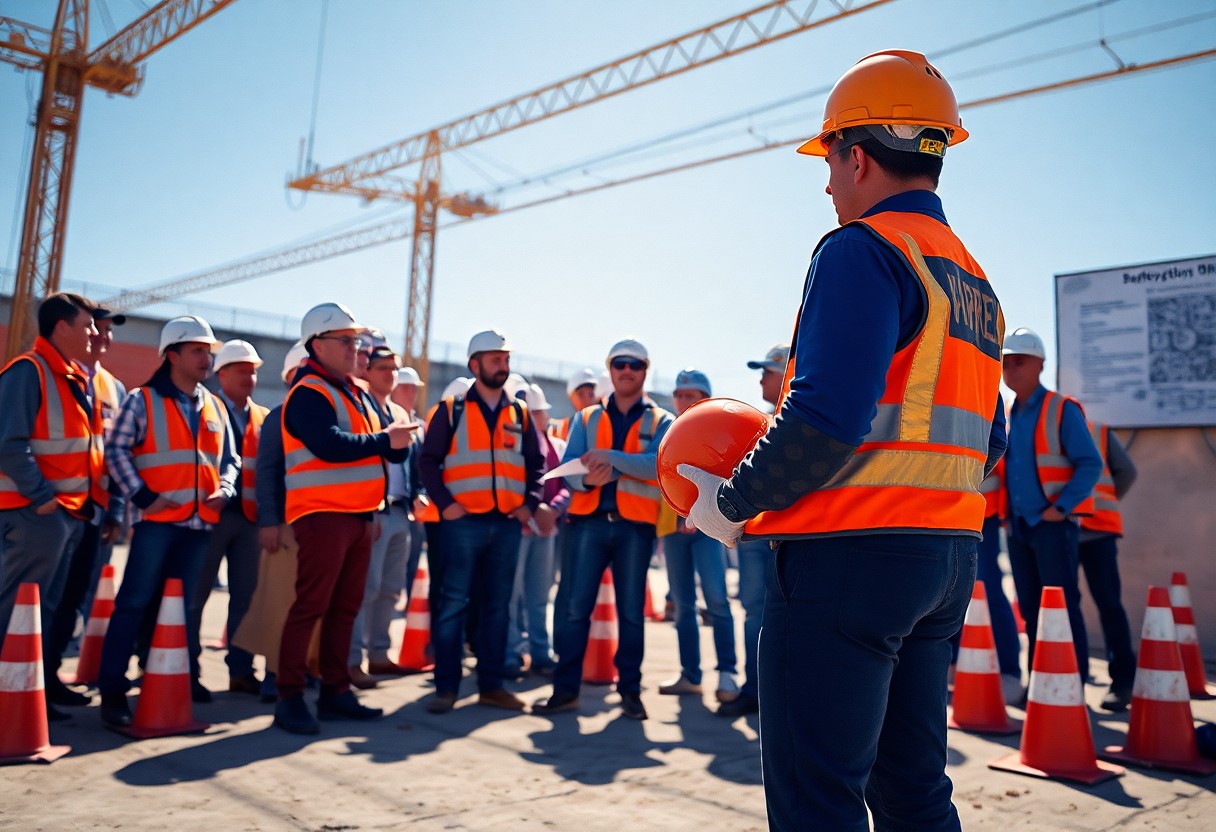
Most incidents on-site stem from inadequate safety protocols for visitors. To ensure that your guests remain protected from potential hazards, it’s vital to establish clear guidelines and effective communication. By implementing comprehensive safety measures, you not only safeguard those who are on your premises but also foster confidence in your organization. This guide will help you identify the important strategies necessary for maintaining a secure environment for everyone on-site.
Key Takeaways:
- Establish clear protocols for visitor safety, including emergency procedures and site access guidelines.
- Provide visitors with necessary safety equipment and conduct briefings on potential hazards.
- Encourage open communication between staff and visitors to address safety concerns promptly.
Understanding Visitor Safety
Understanding visitor safety involves acknowledging the unique risks that guests face while on-site and implementing appropriate measures to mitigate these hazards. You need to prioritize creating an environment that is not only welcoming but also secure, ensuring that guests can enjoy their experience without undue concern for their wellbeing. This might include regular safety audits, visitor education programs, and clear communication of policies that protect guests.
Importance of Safety Protocols
Safety protocols are necessary for protecting visitors from potential hazards and ensuring a swift response during emergencies. By establishing comprehensive guidelines, you provide your guests with a framework that enhances their confidence while on-site. Data shows that sites with well-developed safety protocols experience a significant reduction in accidents, highlighting the necessity of taking these measures seriously.
Common Hazards for Visitors
Visitors can encounter various hazards, including slippery surfaces, inadequate signage, and restricted access to certain areas. Being aware of these risks allows you to take proactive steps in safeguarding your guests. For example, the National Safety Council reports that slips and falls account for the majority of visitor injuries, emphasizing the importance of addressing environmental factors.
Each site presents unique challenges that contribute to visitor hazards. For instance, poorly lit pathways can increase the likelihood of incidents, while construction work may pose additional risks from equipment and debris. You should also be mindful of weather-related issues, such as ice or flooding, which can elevate danger levels. Regular inspections and prompt maintenance can minimize these risks. Furthermore, clearly marked safety zones and easily accessible emergency exits enhance safety while providing visitors with peace of mind during their stay. By understanding and addressing these common hazards, you create a safer environment that enriches the overall visitor experience.
Pre-Visit Preparations
Effective pre-visit preparations significantly enhance visitor safety. Ensure all guests receive information about potential hazards, emergency procedures, and relevant site rules in advance, allowing them to familiarize themselves with your safety protocols. This proactive approach not only raises awareness but also empowers visitors to take personal responsibility for their own safety while on site.
Safety Orientation for Guests
Conducting a thorough safety orientation for guests upon arrival is important. This can include explaining emergency exits, identifying hazardous areas, and reviewing safety equipment usage. When you actively engage visitors in these discussions, it fosters a collective responsibility towards maintaining a safe environment throughout their visit.
Signage and Communication
Clear signage and effective communication are paramount for ensuring visitor safety on site. Invest in highly visible and easy-to-understand signs that guide guests through your premises, highlighting potential hazards and safety measures at every turn.
Utilize graphics and multilingual options to accommodate diverse visitors. For instance, a brightly colored sign indicating “Caution Wet Floor” paired with an illustrative icon reduces confusion and increases awareness. Regularly inspect signs for clarity and visibility; faded or damaged signs can lead to accidents. Additionally, consider implementing audible alerts or digital displays for important announcements during peak visitor times, ensuring everyone receives timely updates regarding safety protocols or emergencies.
On-Site Safety Measures
Implementing effective on-site safety measures is imperative for minimizing risks to your guests. Regular safety inspections, clearly marked emergency exits, and accessible safety equipment can create a secure environment. Furthermore, staff training, particularly in emergency procedures, enhances the overall safety culture. For comprehensive strategies, refer to the Home Visitor Safety Training resources.
Emergency Response Plans
Establishing emergency response plans ensures you are prepared for any unexpected incidents. These plans should outline evacuation routes, communication protocols, and designated roles for staff during emergencies. Regular drills facilitate familiarity with procedures, helping to minimize chaos and confusion.
First Aid and Support Stations
First aid and support stations provide immediate care for injuries or emergencies. By designating these areas clearly and ensuring they are well-stocked with supplies, you ensure assistance is readily available. Staff trained in first-aid can respond quickly, preserving the health and safety of your guests.
Your first aid and support stations should be strategically placed throughout the site, ensuring they are within a short distance from any location. Adequate training for staff, including CPR and basic first-aid, significantly enhances response times. Keep stations stocked with necessary items like bandages, antiseptics, and a defibrillator. Regularly check supplies and maintain clear communication channels for emergency situations, making sure visitors know how to access help promptly.

Staff Training for Visitor Safety
Effective staff training is vital for ensuring visitor safety on-site. Comprehensive training programs should cover emergency response, hazard recognition, and guest communication strategies. Regular drills and updates keep safety protocols fresh, enabling your team to respond swiftly and confidently to any situation. By investing in their training, you empower employees to act decisively, fostering a safer environment for all.
Educating Employees on Safety Practices
Educating your employees about safety practices is crucial. Provide them with detailed information on common hazards, safety equipment, and emergency procedures. Conduct workshops and interactive sessions to reinforce their knowledge, ensuring they can identify risks and execute safety protocols effectively when an incident arises.
Role of Staff in Ensuring Guest Safety
Your staff plays a pivotal role in guest safety. They are often the first point of contact for visitors and significantly influence their experience. Training employees to prioritize safety not only protects guests but also enhances your organization’s reputation. Their vigilance in monitoring surroundings and proactively addressing concerns reduces the likelihood of accidents.
When equipped with the right skills and knowledge, your staff can actively engage in identifying potential hazards, guiding guests during emergencies, and maintaining clear communication. For instance, set up a buddy system where staff pairs conduct regular safety checks around the facility. This proactive approach not only helps in addressing safety concerns in real-time but also instills confidence in your guests, knowing they are in capable hands. The commitment of your staff to visitor safety underlines a strong organizational culture that prioritizes well-being and trust, which can lead to increased visitor satisfaction and loyalty.
Visitor Engagement in Safety
Engaging visitors in safety protocols not only enhances their awareness but also fosters a culture of safety on site. By actively involving guests in safety discussions, you empower them to take responsibility for their own well-being and that of others. Informative signage, interactive safety briefings, and engaging demonstrations can effectively illustrate safety measures, helping create a safer environment for everyone.
Encouraging Guest Participation
Inviting your guests to participate in safety drills or discussions reinforces their role in maintaining a safe environment. You can organize workshops or hands-on activities that provide practical safety tips and allow guests to practice emergency procedures. This not only keeps guests informed but also makes safety a shared priority, enhancing their overall experience.
Feedback Mechanisms for Safety Improvement
Establishing feedback mechanisms is vital for improving safety on site. You encourage your guests to share their experiences and suggestions through surveys, suggestion boxes, or direct conversations. These insights can highlight potential safety issues that may not be immediately visible, allowing you to address concerns proactively and make necessary adjustments.
Implementing effective feedback channels involves actively seeking input after each visitor experience. Consider hosting informal debriefs post-event, where guests can share their thoughts on safety practices observed during their visit. Anonymizing feedback through surveys can also ensure honest responses, providing you with a comprehensive view of areas needing enhancement. By analyzing this information regularly, you can identify patterns of concern, allowing for targeted improvements that create a safer environment for future guests.
Legal Considerations and Liability
Ensuring visitor safety requires an understanding of the legal framework surrounding liability. Organizations must recognize that they can be held accountable for accidents occurring on-site. Proper risk management practices, including maintenance protocols and visitor safety training, are important in mitigating potential legal claims. Inadequate measures could lead to significant financial repercussions and damage to your reputation.
Understanding Liability Issues
Your organization can be liable for injuries sustained by guests due to unsafe conditions or negligence. This encompasses not only physical injuries but also psychological impacts. For example, a visitor injured by falling debris may pursue legal action if proper safety measures were not enforced, emphasizing the need for a robust safety culture.
Compliance with Safety Regulations
Compliance with safety regulations is a legal obligation that must not be overlooked. Adhering to standards set by local, state, and federal guidelines not only minimizes risks but also safeguards your organization against potential lawsuits. Regular audits and employee training sessions are effective strategies for maintaining compliance and demonstrating your commitment to safety.
Staying updated with current safety regulations and ensuring your site meets all legal requirements is important. For instance, OSHA standards dictate specific safety measures for construction sites, and failing to comply can lead to hefty fines. Regularly reviewing and updating safety protocols, conducting training sessions, and keeping accurate records of inspections can further enhance your compliance efforts. Make it a priority to implement a proactive approach to meeting safety regulations to protect both your visitors and your organization.
Summing up
Presently, ensuring visitor safety on site requires your active engagement and awareness of potential hazards. By prioritizing safety protocols and effective communication, you contribute significantly to creating a secure environment for guests. Regularly assessing risks and providing clear instructions can enhance overall safety. Your commitment to these practices not only protects visitors but also fosters a culture of safety within your organization.
FAQ
Q: What measures are taken to ensure visitor safety on site?
A: We implement a range of safety measures including site orientation sessions, clearly marked pathways, safety signage, and regular safety briefings to keep visitors informed of potential hazards.
Q: How can visitors report safety concerns while on site?
A: Visitors can report safety concerns by contacting the designated safety officer at the reception desk or by using the direct safety hotline provided to all guests upon arrival.
Q: Are there any specific safety protocols visitors must follow?
A: Yes, visitors are required to adhere to all safety protocols, which include wearing protective gear in designated areas, following posted safety signs, and participating in safety briefings tailored for their visit.