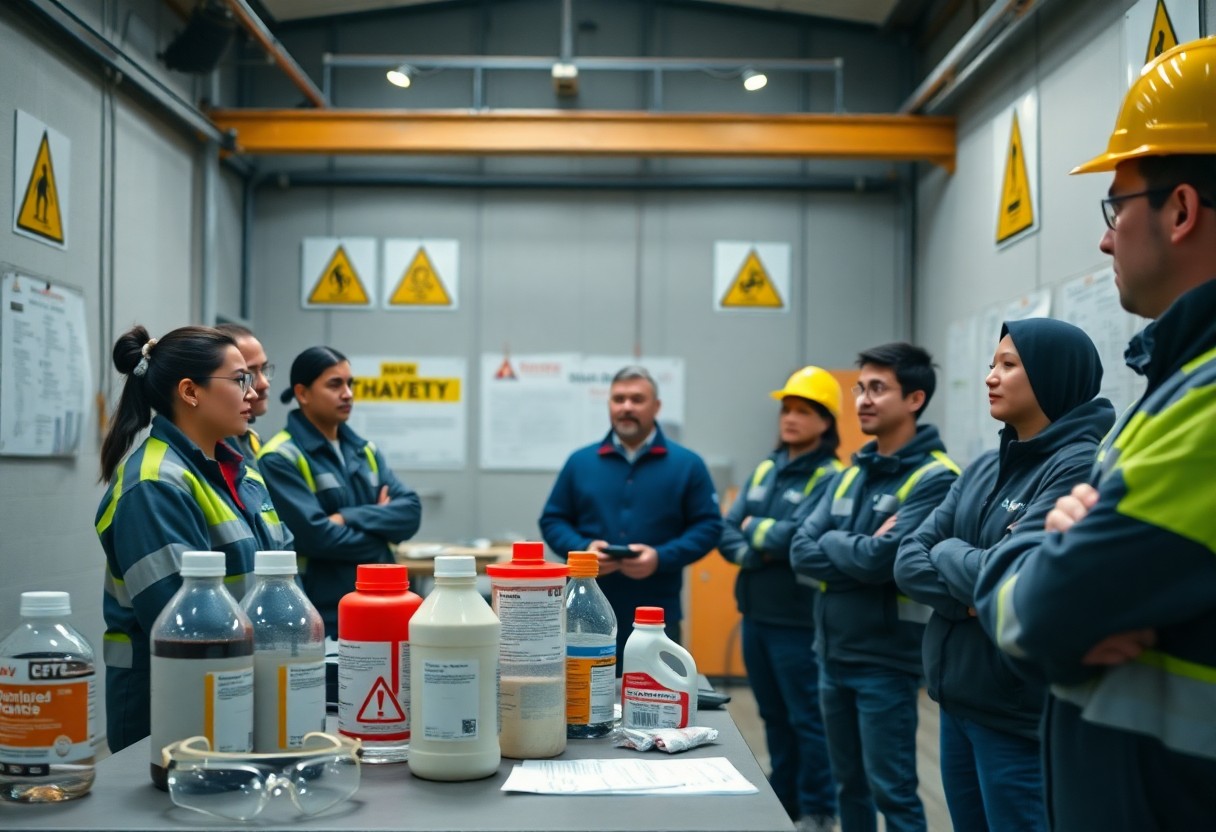
WHMIS (Workplace Hazardous Materials Information System) provides you with crucial guidelines for safely handling hazardous products. Understanding labels, Safety Data Sheets (SDS), and proper storage techniques is vital to protecting yourself and your colleagues from potential health risks. By familiarizing yourself with these protocols, you enhance your ability to identify risks and implement effective safety measures, ensuring a safer work environment. Stay diligent and informed to minimize the dangers associated with hazardous materials.
Key Takeaways:
- Understand the classification of hazardous products and their associated symbols.
- Learn proper handling, storage, and disposal methods to minimize risks.
- Recognize the importance of Safety Data Sheets (SDS) for information on hazardous materials.
Understanding WHMIS
Overview of WHMIS
WHMIS, or the Workplace Hazardous Materials Information System, is Canada’s national communication standard for hazardous workplace materials. It ensures you receive comprehensive information about hazardous products through labels, safety data sheets, and worker education. By following WHMIS guidelines, you can identify and understand the risks associated with the substances you may encounter in your work environment, helping to keep you safe.
Importance of WHMIS in the Workplace
Implementing WHMIS is crucial for maintaining a safe work environment and protecting your health. It provides you with the necessary tools and knowledge to handle hazardous materials properly, ensuring that accidents and injuries related to chemical exposures are minimized. The system’s structure allows for better safety communication, fostering a culture of safety across different sectors.
Without WHMIS, the potential for workplace accidents increases significantly. Industries that deal with chemicals face serious risks, including exposure to toxic substances, which can lead to health issues ranging from respiratory problems to long-term chronic diseases. A study by the Canadian Centre for Occupational Health and Safety shows that effective WHMIS training can reduce workplace injuries by up to 30%. By understanding WHMIS, you not only comply with regulations but actively contribute to a safer work atmosphere for yourself and your colleagues.
Identifying Hazardous Products
To ensure safety in the workplace, it’s crucial for you to recognize and identify hazardous products. These can include materials that pose physical risks, such as flammables and reactive substances, as well as health hazards, ranging from irritants to carcinogens. Proper identification allows you to implement the necessary precautions for handling, storage, and disposal, significantly reducing the potential for accidents or exposure.
Classification of Hazardous Products
Every hazardous product is classified based on its properties and the type of hazard it presents, allowing for effective risk management. You will encounter classes such as physical hazards—like explosives or corrosive materials—and health hazards, including toxic substances. These classifications help in selecting appropriate safety measures, ensuring that you can handle materials safely and effectively.
Safety Data Sheets (SDS)
A Safety Data Sheet (SDS) provides vital information about hazardous products, including their classification, properties, and safe handling practices. You should familiarize yourself with SDS documentation as it includes details such as first aid measures, exposure controls, and storage requirements, ultimately guiding you toward safe workplace practices.
The SDS consists of 16 sections detailing a wide array of information crucial for your safety. For instance, Section 2 outlines hazards, including GHS classifications and precautionary statements, allowing you to understand the risks involved. Section 4 offers first aid measures, ensuring you’re prepared to react swiftly in case of exposure. Familiarity with these sections not only enhances your knowledge but equips you with the tools to promote a safer working environment.
Labeling Requirements
All hazardous products must feature clear and identifiable labels that convey crucial safety information. These labels should include the product name, supplier information, and hazard symbols, making it easy for you to quickly assess potential risks. For comprehensive guidelines, refer to the SAFETY TALK – Health PEI | Staff Resource Centre.
Symbols and Signs
Hazard symbols and signs play a significant role in conveying the nature of risks associated with a product. These pictograms provide visual cues about the hazards, allowing you to quickly understand what you are dealing with. For instance, a skull and crossbones depict a product that is toxic, while a flame indicates that it is flammable.
Hazard Statements and Precautionary Measures
Hazard statements explain the nature and degree of risk associated with a product, while precautionary measures outline steps to minimize exposure and ensure safety. Knowing these elements helps you handle hazardous products more effectively and prevent accidents.
For instance, a hazard statement may specify that a chemical is harmful if inhaled, necessitating the use of appropriate personal protective equipment (PPE) such as masks and goggles. Precautionary measures could advise keeping the product away from heat sources or ensuring proper ventilation. Following this information is vital for maintaining your safety and the safety of those around you.
Safe Handling Practices
Implementing safe handling practices is necessary when working with hazardous products. Always read and understand the Safety Data Sheets (SDS) for each substance, as these documents provide vital information on hazards, handling techniques, and emergency measures. Use appropriate tools, techniques, and follow established procedures to minimize risks. Ensure your workspace is well-ventilated, free of clutter, and equipped with spill kits or other emergency equipment as needed.
Personal Protective Equipment (PPE)
Choosing the right Personal Protective Equipment (PPE) is vital for your safety. Depending on the hazardous product, you should wear gloves, goggles, face shields, and appropriate clothing to protect against exposure. Ensure your PPE is compatible with the chemicals you are handling and check for any damage before use. Regularly inspect and maintain your gear for optimal protection.
Storage and Disposal Guidelines
Adhering to proper storage and disposal guidelines can significantly reduce the risk of accidents. Store hazardous products in clearly labeled, designated areas away from incompatible substances. Ensure containers are intact and properly sealed to prevent leaks. Dispose of hazardous materials according to local regulations, using designated collection services or facilities whenever possible.
Proper storage and disposal practices not only enhance safety but also help in compliance with legal requirements. Dedicated storage areas should have adequate ventilation, be equipped with secondary containment to prevent spills, and adhere to temperature regulations when necessary. For disposal, familiarize yourself with local waste management protocols and use approved disposal methods to avoid environmental contamination and potential fines.
Emergency Procedures
In the event of an emergency involving hazardous products, having well-defined procedures is important for maintaining safety and minimizing risks. You should familiarize yourself with the specific emergency protocols relevant to your workplace, including evacuation routes, reporting procedures, and emergency contact information. Ensure that all employees know their responsibilities during an emergency and conduct regular drills to practice these procedures effectively.
Spill Response Protocols
If a spill occurs, your immediate response is vital to prevent injury or environmental damage. Quickly assess the situation and determine the type and amount of hazardous material involved. Use appropriate personal protective equipment (PPE), such as gloves and goggles, while following your workplace’s spill containment procedures. Notify your supervisor and relevant authorities, and utilize spill kits available on-site for safe clean-up.
First Aid Measures
Should exposure to hazardous substances occur, prompt first aid is imperative to mitigate health risks. You should identify the nature of the exposure—whether it’s through inhalation, skin contact, or ingestion. Follow the first aid guidelines on the Safety Data Sheet (SDS) for the specific product involved, and seek medical attention as needed, especially for serious cases.
For instance, if someone inhales a hazardous fume, immediately move them to fresh air and monitor their breathing. If there’s skin contact with a corrosive chemical, rinse the affected area with water for at least 15 minutes and remove contaminated clothing. Ingestions require you to avoid inducing vomiting and contact poison control immediately. Your ability to act swiftly based on established protocols can significantly impact the outcome in such critical situations.
Training and Compliance
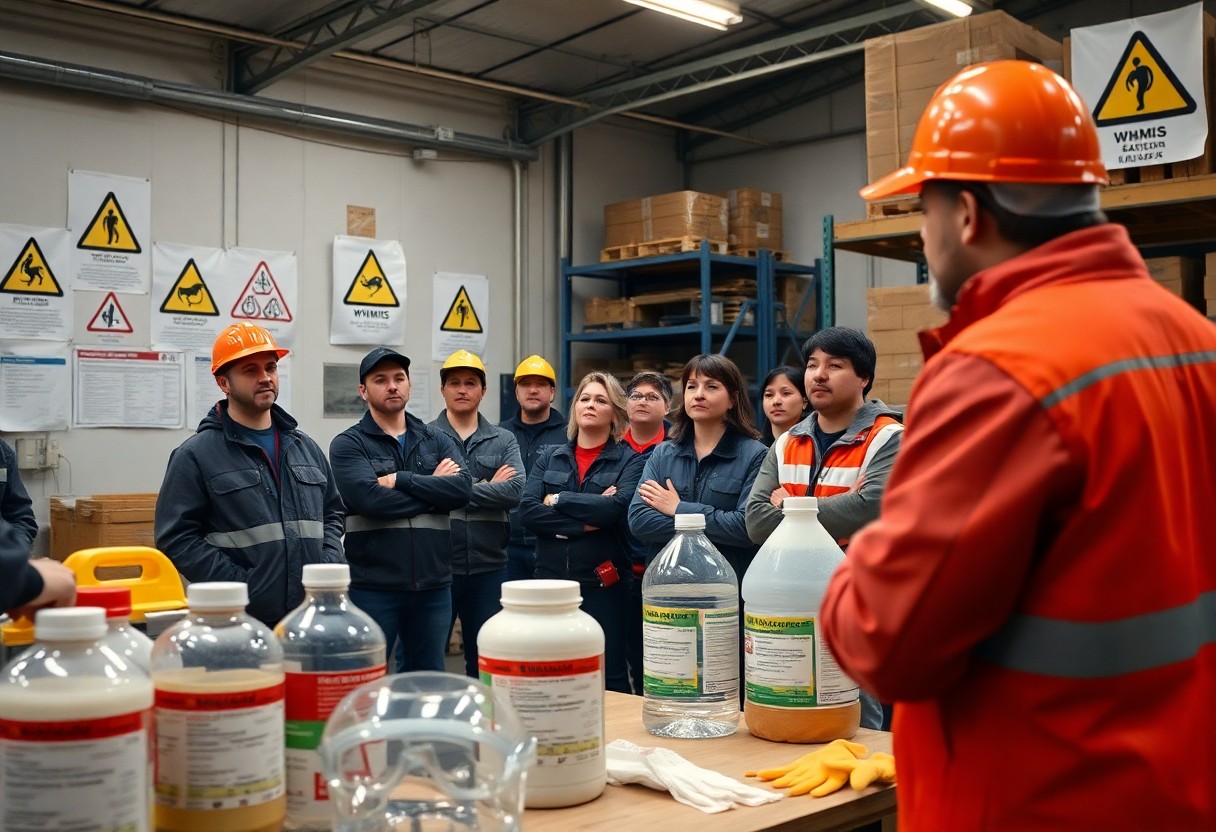
Ensuring proper training and compliance is necessary for effective handling of hazardous products. Your organization must implement stringent training programs that align with WHMIS regulations to foster a culture of safety. Regular assessments and updates to these programs ensure that all personnel are knowledgeable about current hazards and safe work practices.
Employee Training Programs
Your employee training programs should be comprehensive and tailored to the specific hazards present in your workplace. These programs must cover topics such as recognizing hazardous materials, understanding Safety Data Sheets (SDS), and using personal protective equipment (PPE). Regular refresher courses enhance knowledge retention and safety awareness.
Regulatory Compliance and Responsibilities
Understanding regulatory compliance is paramount to maintaining a safe working environment. As an employer, you are responsible for ensuring that all employees receive the necessary training and that safety protocols are continuously followed. This includes regular audits and updates to your safety procedures to meet evolving regulations.
To maintain regulatory compliance, you must stay informed about the latest WHMIS updates and ensure adherence to workplace safety legislation. This includes meeting the outlined training requirements for employees, conducting hazard assessments, and maintaining accurate records of training sessions and safety measures implemented. Failure to comply can result in penalties, increased liability, and, most importantly, compromised safety in your workplace. Always assess your current training programs against established regulations to identify gaps and make necessary adjustments.
Final Words
Summing up, your understanding of WHMIS is necessary for the safe handling of hazardous products in the workplace. You must familiarize yourself with the labels, Safety Data Sheets, and the various hazard symbols. Staying informed and adhering to safety protocols protects not only your health but also that of your colleagues. Consistent refresher training ensures you remain aware of the latest practices and regulations, empowering you to manage hazardous materials safely and effectively.
FAQ
Q: What is WHMIS and why is it important in handling hazardous products?
A: WHMIS stands for the Workplace Hazardous Materials Information System. It is designed to ensure that information about hazardous products is communicated effectively in the workplace. This system is important as it helps protect workers from potential health and safety risks associated with these materials.
Q: What components are included in the WHMIS system for handling hazardous products?
A: The WHMIS system consists of several key components: labels that provide imperative information about hazards, Safety Data Sheets (SDS) which offer detailed information on the properties and handling of the products, and training for workers, which is necessary for understanding these labels and SDS.
Q: How can workers ensure safe handling of hazardous products according to WHMIS guidelines?
A: Workers can ensure safe handling by strictly following the information provided on the labels and Safety Data Sheets, using appropriate personal protective equipment (PPE), participating in training sessions, and reporting any unsafe conditions or incidents to their supervisors.