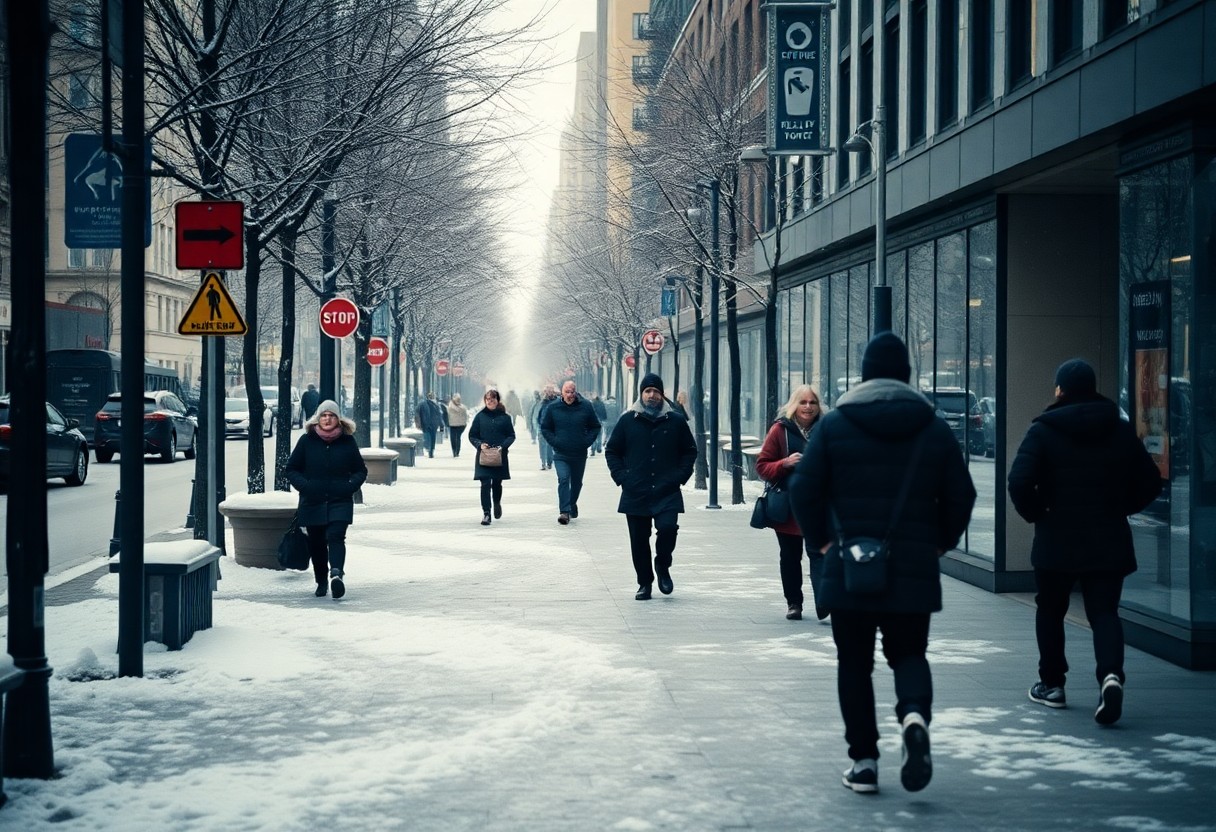
It’s vital to prioritize your safety during winter walking, as icy conditions significantly increase the risk of slips and falls. By wearing appropriate footwear with good traction and keeping your hands free for balance, you can navigate slippery surfaces more confidently. Additionally, be aware of your surroundings, choosing widely used paths when possible, and avoid rushing to prevent accidents. Taking these precautions will help ensure you enjoy the season while staying safe and on your feet.
Key Takeaways:
- Wear appropriate footwear with good traction to reduce the risk of slipping on ice.
- Walk with a slow, cautious gait, keeping your center of gravity over your feet.
- Be aware of your surroundings, avoiding distractions such as using mobile devices while walking in icy conditions.
Understanding Icy Conditions
Winter walking presents unique challenges due to *icy conditions*, which can lead to slips and falls. Understanding these conditions involves recognizing the contributing factors such as weather fluctuations and surface types. By identifying these elements, you can better prepare for safe winter navigation.
Weather Factors
Changes in *temperatures* greatly influence the onset of ice formation. When daytime conditions rise above freezing and drop at night, it creates opportunities for *black ice* to develop. The interplay of moisture with fluctuating *temperatures* can catch you off guard, resulting in treacherous walking conditions.
- Temperature fluctuations
- Black ice
- Moisture accumulation
- Freezing rain
- Humidity levels
Recognizing these weather factors is vital for making informed decisions on when and how to walk safely in winter conditions.
Surface Types
Different *surface types* pose varying degrees of risk when it comes to ice accumulation. Common surfaces like *sidewalks* and *driveways* may appear clear but often conceal *black ice*, especially in shaded areas. Understanding the nature of each surface you encounter is necessary for maintaining your stability while walking.
- Sidewalks
- Parking lots
- Driveways
- Stairs
- Roadways
The surface types you walk on in winter can significantly impact your safety during icy conditions.
| Surface Type | Ice Risk Level |
|---|---|
| Sidewalks | Moderate |
| Parking lots | High |
| Driveways | Moderate |
| Stairs | Very High |
| Roadways | Variable |
Various surfaces influence the likelihood of encountering icy conditions. For instance, surfaces like *stairs* are often neglected in terms of ice clearing, while *roadways* can vary based on traffic and salting. Be vigilant about your surroundings and assess the safety of each surface as you navigate winter walking.
- Ice clearing methods
- Walking aids
- Pedestrian zones
- Salting practices
- Weather forecasts
The adaptability to different *surface types* is necessary for ensuring your safety in icy winter conditions.
Preparing for Winter Walking
To enhance your safety while walking in winter conditions, preparation is key. Begin by understanding the risks associated with icy surfaces and equip yourself with the right tools and knowledge. Check out Winter Weather – Introduction | Occupational Safety and … for valuable tips on staying safe during winter walks.
Footwear Selection
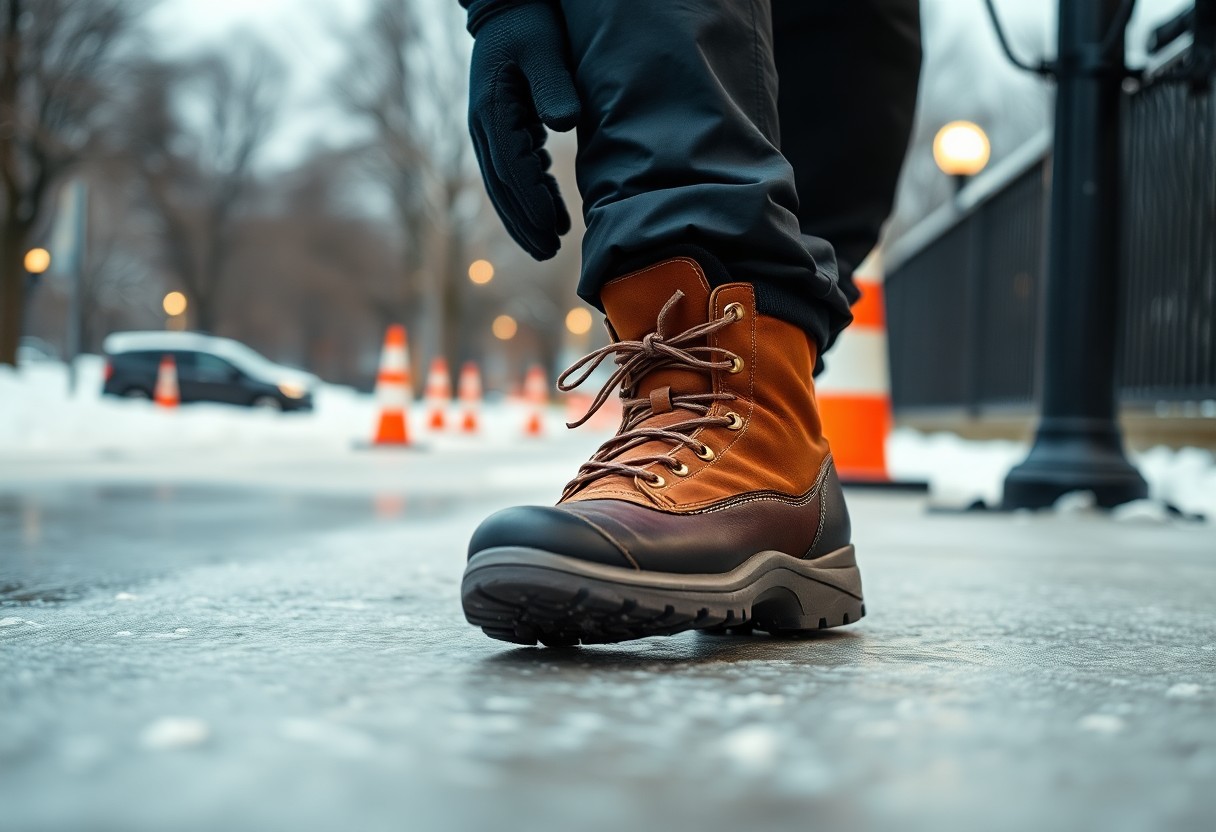
Your footwear can significantly impact your stability on icy ground. Choose shoes with slip-resistant soles and adequate insulation to maintain warmth. Insulated boots with deep treads provide maximum traction and should be your go-to choice when temperatures plummet.
Clothing Considerations
Dress in layers to effectively manage warmth without compromising mobility. Water-resistant outer layers will shield you from moisture, while thermal inner layers retain heat, allowing for comfort during extended walks in cold weather.
Specifically, consider materials such as wool or synthetic fibers for insulation that wick away moisture, keeping you dry from sweat. Ensure your gloves and hats are also insulated, as extremities lose heat rapidly. For added safety, avoid long, flowing coats that could impede your movement or get caught in uneven terrain.
Techniques for Safe Walking
Employing effective techniques while walking in winter conditions can significantly reduce the risk of slips and falls. Start by adjusting your walking habits to suit the environment; this includes maintaining a steady pace, being mindful of your surroundings, and consciously adopting specific movements that enhance balance and stability. Utilizing these techniques will help you navigate icy surfaces more confidently.
Walking Posture
Your walking posture plays a vital role in maintaining balance on icy surfaces. Keep your body slightly bent forward and lower your center of gravity, which enhances stability. Additionally, keep your arms relaxed at your sides or slightly out for balance. This posture allows for quicker adjustments if you start to slip.
Foot Placement
When walking on ice, focus on your foot placement, as it can greatly affect your stability. Place your feet flat on the ground and take shorter, more deliberate steps. This increases surface contact and minimizes the chance of losing your footing. Avoid shuffling, as it can reduce your control.
Pay attention to where you place each foot, prioritizing flat-footed landings over heel-to-toe strides. This technique not only spreads your weight more evenly but also gives you greater traction. If you encounter particularly icy patches, consider turning your feet sideways or making a slow shuffle to improve your grip. In important stretches, like parking lots or sidewalks, practice this approach to ensure safe transitions between surfaces.
Using Tools and Accessories
Incorporating the right tools and accessories can significantly enhance your safety when walking on icy surfaces. By utilizing these items, you can maintain better traction and stability, making winter walks less treacherous. Whether you are commuting, exercising, or running errands, these enhancements are designed to reduce the risk of slips and falls.
Ice Cleats
Ice cleats attach securely to your shoes or boots, providing superior grip on icy surfaces. With metal spikes or coils, they create traction that prevents slipping. Studies show that using ice cleats can reduce falls by over 70%, making them an effective solution for navigating slippery conditions. Always choose a pair that fits your footwear properly for optimal performance.
Walking Aids
Walking aids, such as canes or walking sticks, can greatly enhance your stability. Equipped with a wide, rubberized base, they offer support and improve your balance as you maneuver through icy terrain. Employing a walking aid allows you to distribute your weight more effectively, reducing the likelihood of falling. Consider choosing adjustable models for versatility in different winter conditions.
Choosing the right walking aid can make a significant difference in your comfort and safety. For instance, some walking sticks come with additional features like built-in LED lights or ergonomic grips, which can enhance visibility and reduce hand strain. Depending on your needs, you might prefer a four-pronged cane for added stability or a lightweight model for ease of use. Keep in mind, investing in a trusted walking aid tailored to winter conditions can be a game-changer for your peace of mind while out on slippery surfaces.
Identifying Hazardous Areas
Recognizing hazardous areas is vital for maintaining safety during winter walks. Icy conditions can turn ordinary paths into risky zones, and being aware of where these hazards typically exist can help you navigate with caution. Regularly assessing your environment for cold spots, shaded regions, and untreated sidewalks is key to avoiding slips and falls.
Common Locations
Common locations where you are likely to encounter ice include shaded sidewalks, parking lots, and areas near water sources. Sidewalks that don’t receive direct sunlight are often coated in ice despite relatively warm temperatures. Parking lots, particularly around entrances and exits, can also be deceptively slippery, especially after rain or snow.
Warning Signs
Look for warning signs indicating potential icy conditions, such as “Caution: Icy Path” or “Slippery When Wet” signs. Pay attention to local advisories during winter storms that highlight hazardous walking areas, and consider wearing ice grips on your shoes when navigating these regions.
Warning signs play a vital role in keeping you informed about potential dangers. While they can help alert you to icy conditions ahead, it’s vital to stay vigilant even when signs are absent. Many accidents occur in locations where signs don’t exist, such as older neighborhoods or during unpredicted temperature drops. Approach less traveled sidewalks and unfamiliar areas with an extra degree of caution, understanding that even a slight sheen on the surface can indicate a serious slip hazard.
What to Do If You Slip
If you find yourself slipping, it’s vital to remain calm. Try to control your fall by bending your knees and rolling your body to lessen the impact. Aim to land on your side or back rather than your wrists to avoid injuries. Immediately assess yourself for injuries before attempting to rise, as moving too quickly can worsen any hidden injuries.
Preventative Actions
Taking preventive actions is key to safeguarding yourself from slips. Always look ahead at the walking surface and choose your steps wisely. Wear appropriate footwear with good traction, and consider using slip-resistant devices during hazardous conditions. Plan your route to avoid known icy areas whenever possible, and keep your hands free for balance.
Seeking Help
If you do slip and believe you may have injured yourself, don’t hesitate to seek help. Alert passersby or call for assistance, particularly if you’re unable to get up on your own.
Being proactive about seeking help can make a significant difference in your recovery. If you suspect a serious injury, such as a fracture or severe sprain, contacting emergency services or a trusted friend is vital. When in doubt, err on the side of caution and ensure that you’re not putting yourself at further risk while waiting for help.
Final Words
Considering all points, your safety while walking in winter conditions hinges on awareness and preparation. By choosing appropriate footwear, staying alert to your surroundings, and planning your routes to avoid icy patches, you significantly reduce the risk of slips and falls. It’s crucial to prioritize your well-being during these colder months and take proactive measures. Adopting these practices not only protects you but also sets a positive example for others in your community. Stay safe and walk wisely this winter.
FAQ
Q: What are some effective techniques for walking safely on icy surfaces?
A: To walk safely on icy surfaces, take short, shuffling steps to maintain balance, keep your center of gravity over your feet, and use your arms for stability. Wear shoes with good traction and consider using footwear with ice grips if available.
Q: How can I identify hazardous icy conditions before stepping outside?
A: Look for signs of ice, such as a shiny, reflective surface on paths, outdoor stairs, and parking lots. Check weather forecasts for reports of freezing rain or temperatures below freezing, as these indicate potential icy conditions.
Q: What should I do if I do slip on ice?
A: If you slip on ice, try to fall safely by bending your body and rolling to minimize impact. If you fall, assess for injuries first before attempting to get up. If uninjured, turn onto your side, use your hands to push yourself up, and get to a safe, stable area.